A staggered gallery,
no library.
Each card's animation-range starts a touch later than the last — the stagger effect everyone reaches for a JS library to get.
 01 · Entry
 02 · Cover
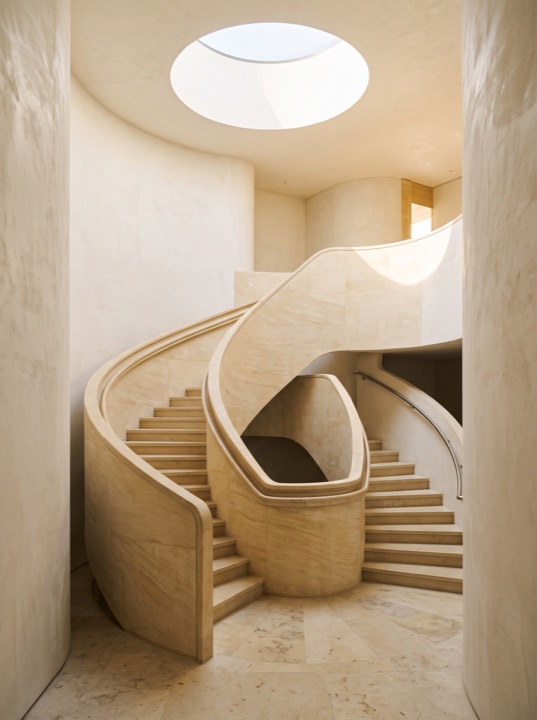 03 · Exit
 04 · Timeline
 05 · Range
> source verification
[GREP] grep -c "<script" index.html → 0 (our authored source)
[CSS] animation-timeline: scroll(root) · view() · @property × 3 · position: sticky
[EDGE] live domain injects 1 script we did not write:
Cloudflare JavaScript Detections, /cdn-cgi/challenge-platform/
zone-wide bot protection, not a dependency of this page
[FALLBACK] @supports not (animation-timeline: view()) → static, fully readable, nothing broken
[GREP] grep -c "<script" index.html → 0 (our authored source)
[CSS] animation-timeline: scroll(root) · view() · @property × 3 · position: sticky
[EDGE] live domain injects 1 script we did not write:
Cloudflare JavaScript Detections, /cdn-cgi/challenge-platform/
zone-wide bot protection, not a dependency of this page
[FALLBACK] @supports not (animation-timeline: view()) → static, fully readable, nothing broken